

Electroplating, electrolytic processing, and acid pickling expose tanks to liquids that can attack conventional materials over time. Selecting a vessel therefore starts with the operating medium rather than with dimensions alone. Acid type, concentration, temperature, and contact time all influence the material system and inner corrosion barrier required for stable service. An FRP Electrolytic Cell uses fiberglass reinforcement for structural support and a corrosion-resistant resin matrix for liquid containment. Epoxy or vinyl ester resin can be selected according to the chemical environment. This material combination is useful where sulfuric acid, hydrochloric acid, electroplating solution, or similar media are handled within the specified temperature and pressure range. Connection details also deserve attention. Flanges, nozzles, drainage points, and circulation interfaces should be positioned to match the process line and sealed to limit leakage risk. For customized equipment, providing a clear piping layout before production helps reduce later modification work. Routine inspection remains important after installation. Operators should check the inner surface, joints, supports, and external frame for abnormal wear, impact damage, or deposits. Cleaning should follow the compatibility requirements of the selected resin. When chemical conditions and structural details are matched correctly, the FRP Electrolytic Cell can serve as a practical process vessel for repeated treatment cycles. Periodic documentation of these checks also helps maintenance teams compare the condition of the FRP Electrolytic Cell across service intervals.
Why Corrosion Resistance Matters in FRP Electrolytic Cell Selection
Popular Products

FRP Electrolytic Cell
The FRP Electrolytic Cell is a rectangular fiberglass-reinforced process vessel designed for electrolyte circulation,
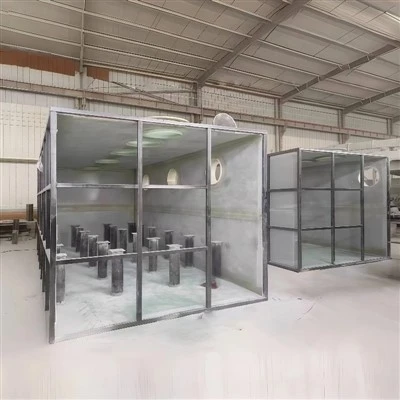
Biological Deodorization Box
Our biological deodorization box is lightweight, high-strength, and resistant to corrosion and aging, with excellent
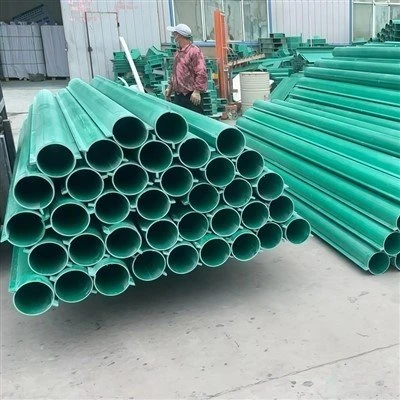
FRP Cable Conduit
Corrosion and aging resistant;Good insulation properties:non-conductive and non-magnetic;High compressive
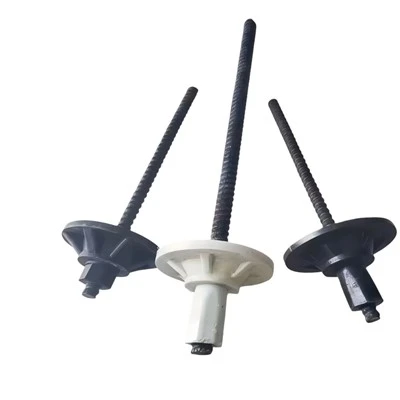
FRP Anchor Bolt
Lightweight, High-Strength, and Corrosion-ResistantInsulating and Aging-ResistantEasy Installation and Strong Anchorage

FRP Bolt
Lightweight yet high-strength; corrosion- and aging-resistantNon-conductive and non-magnetic; insulating and

FRP Sound Barrier
Excellent sound insulation performanceCorrosion and UV resistantFire-retardant and durable