

An Electroplating Pickling Tank needs practical access for cleaning and inspection because process liquids can leave residues on internal surfaces, around drains, and near connection points. Access planning should begin before the tank layout is finalized. Operators need enough room to reach the drain area, rinse the interior, inspect nozzles, and check the external supports without interfering with nearby piping or equipment. The internal surface should be kept free of hard deposits that could hide damage or restrict drainage. Cleaning methods and chemicals should be compatible with the selected resin system so routine maintenance does not create a new material problem. Connection points deserve regular attention because inlets, outlets, overflow lines, circulation ports, and instrument openings can experience movement from connected piping. Supports and external reinforcement should also be checked for visible looseness, impact, or uneven loading. When the tank is taken out of service for inspection, the process liquid should be handled according to the site's operating procedure and the vessel should be made safe for access. Maintenance records can note surface condition, connection checks, cleaning work, and any repair actions. For a customized Electroplating Pickling Tank, leaving suitable access around the vessel during the design stage makes later inspection more practical and helps maintenance teams follow a consistent routine throughout service. Clear access can also shorten routine shutdown work because cleaning tools and inspection points can be reached without removing unrelated piping.
Planning Cleaning And Inspection Access For Pickling Process Tanks
Popular Products

FRP Electrolytic Cell
The FRP Electrolytic Cell is a rectangular fiberglass-reinforced process vessel designed for electrolyte circulation,
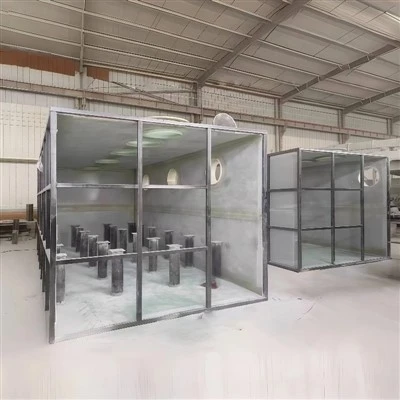
Biological Deodorization Box
Our biological deodorization box is lightweight, high-strength, and resistant to corrosion and aging, with excellent
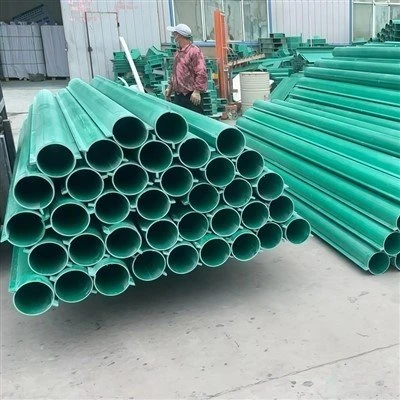
FRP Cable Conduit
Corrosion and aging resistant;Good insulation properties:non-conductive and non-magnetic;High compressive
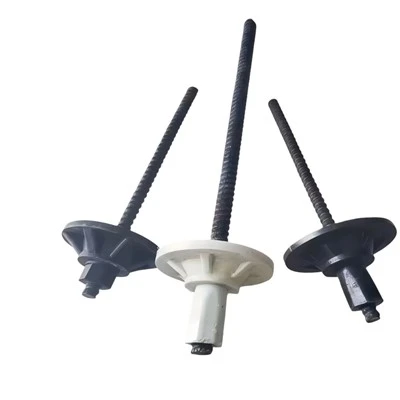
FRP Anchor Bolt
Lightweight, High-Strength, and Corrosion-ResistantInsulating and Aging-ResistantEasy Installation and Strong Anchorage

FRP Bolt
Lightweight yet high-strength; corrosion- and aging-resistantNon-conductive and non-magnetic; insulating and

FRP Sound Barrier
Excellent sound insulation performanceCorrosion and UV resistantFire-retardant and durable