

Connection layout is a central design point for an Electroplating Pickling Tank because the vessel must work with the surrounding process line, drainage route, circulation system, and installation space. Inlet and outlet positions should be confirmed with their sizes and elevations before production. Overflow and drain points also need clear locations so liquid can move through the intended process sequence without field changes to the tank body. Where circulation is used, the suction and return connections should be positioned to suit the operating arrangement and the available piping route. Instrument openings may also be required for level, temperature, or other process checks. These connections should be planned together because crowded nozzles can make installation and maintenance difficult. External piping should be supported so its weight and movement are not transferred unnecessarily to the tank wall. The working liquid, concentration, temperature, required volume, and installation environment should be reviewed at the same time because they influence material selection and structural details. A drawing that shows the tank outline and all process connections gives production and installation teams a clear layout to follow. For an Electroplating Pickling Tank used in surface-treatment work, early confirmation of connection positions can reduce on-site modification and make drainage, cleaning, and routine inspection easier to organize after the system enters operation. The same drawing can then be used to check clearance around valves, pumps, frames, and maintenance access points.
Connection Layout Becomes A Key Design Point For Pickling Tanks
Popular Products

FRP Electrolytic Cell
The FRP Electrolytic Cell is a rectangular fiberglass-reinforced process vessel designed for electrolyte circulation,
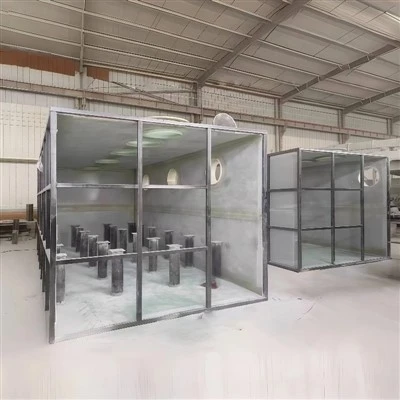
Biological Deodorization Box
Our biological deodorization box is lightweight, high-strength, and resistant to corrosion and aging, with excellent
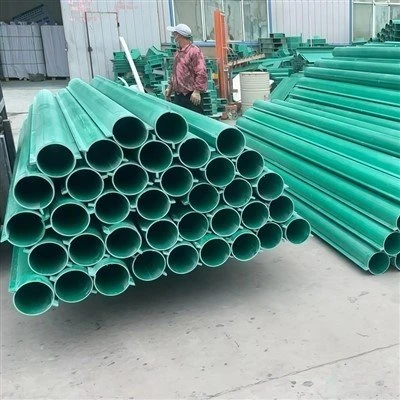
FRP Cable Conduit
Corrosion and aging resistant;Good insulation properties:non-conductive and non-magnetic;High compressive
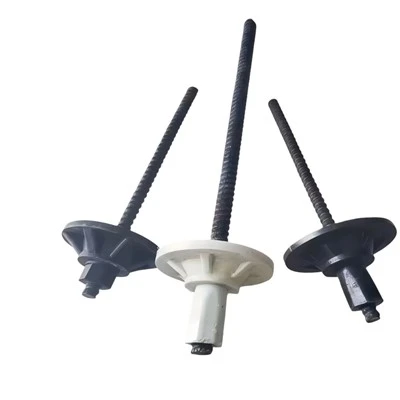
FRP Anchor Bolt
Lightweight, High-Strength, and Corrosion-ResistantInsulating and Aging-ResistantEasy Installation and Strong Anchorage

FRP Bolt
Lightweight yet high-strength; corrosion- and aging-resistantNon-conductive and non-magnetic; insulating and

FRP Sound Barrier
Excellent sound insulation performanceCorrosion and UV resistantFire-retardant and durable