

Custom process equipment is easier to specify when the operating information is complete at the beginning. For tanks used in electroplating, electrolytic reactions, or pickling, the first step is to define the liquid being handled. Chemical name, concentration, additives, and expected temperature range all help determine a suitable material system. Next, confirm the physical requirements of the FRP Electrolytic Cell. Useful information includes internal or external dimensions, required working volume, wall-thickness expectations, installation space, support conditions, and whether the tank will be located indoors or outdoors. If the project has limited access for transport or installation, that should also be stated early. Connection planning is equally important. Mark the position and size of inlets, outlets, overflow points, drains, circulation ports, and instrument openings on a drawing. This reduces the chance of field changes and helps piping align with the finished tank. Working pressure and temperature should be listed with normal and maximum values. Finally, share any inspection, packing, transport, or delivery requirements that affect the order. With these details, compatibility, structure, and layout can be reviewed before production. A clearly defined specification helps the FRP Electrolytic Cell fit the intended process line and simplifies later installation. It also creates a clear record for confirming the final FRP Electrolytic Cell configuration before manufacturing begins. A short pre-order checklist can keep process, piping, transport, and inspection information consistent before production begins.
What To Prepare Before Customizing An FRP Electrolytic Cell
Popular Products

FRP Electrolytic Cell
The FRP Electrolytic Cell is a rectangular fiberglass-reinforced process vessel designed for electrolyte circulation,
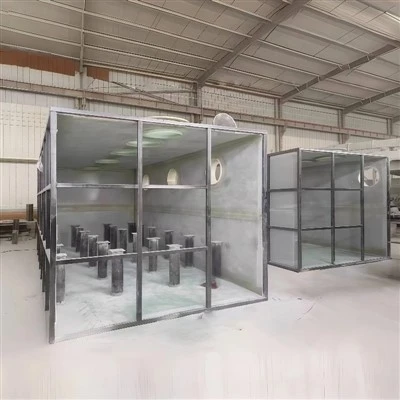
Biological Deodorization Box
Our biological deodorization box is lightweight, high-strength, and resistant to corrosion and aging, with excellent
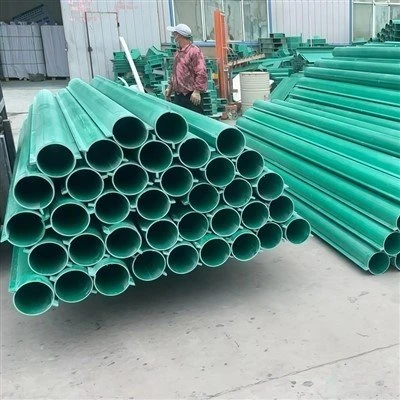
FRP Cable Conduit
Corrosion and aging resistant;Good insulation properties:non-conductive and non-magnetic;High compressive
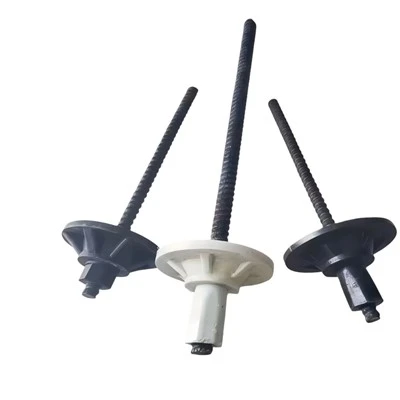
FRP Anchor Bolt
Lightweight, High-Strength, and Corrosion-ResistantInsulating and Aging-ResistantEasy Installation and Strong Anchorage

FRP Bolt
Lightweight yet high-strength; corrosion- and aging-resistantNon-conductive and non-magnetic; insulating and

FRP Sound Barrier
Excellent sound insulation performanceCorrosion and UV resistantFire-retardant and durable