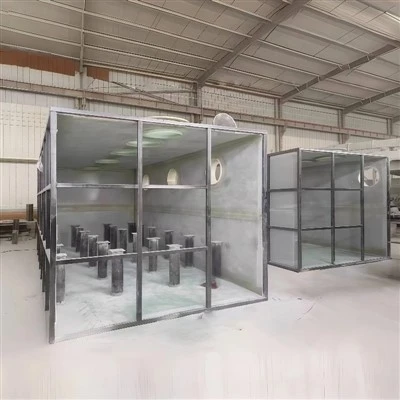
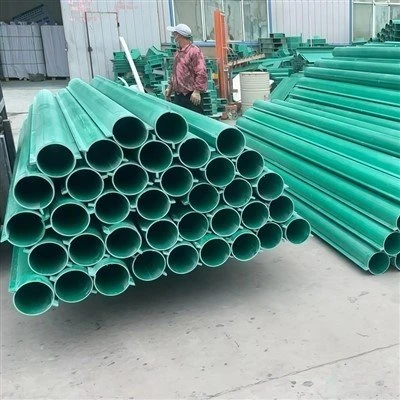
FRP swimming pools have long been highly favored in the market for their exceptional characteristics, including corrosion resistance, a long service life, and the elimination of the need for tiling or liner membranes, as well as their resistance to seismic activity, bacteria, and algae.
FRP stands for Fiberglass Reinforced Plastic. It is a fiber-reinforced composite material created by blending glass fibers with polyester resin, layering them, and allowing them to cure into a rigid structure. It is widely utilized in various fields, ranging from bathtubs and boat hulls to industrial products and household fixtures. Being both lightweight and rigid, FRP also boasts superior fatigue resistance and seismic stability, making it the ideal material for swimming pool construction.
FRP Material: A Service Life of Up to 45 Years
1. Lightweight with High Relative Hardness
FRP weighs approximately 25% as much as steel and 60% as much as aluminum. Compared to other metal materials, it is exceptionally lightweight yet possesses high hardness, allowing it to flexibly meet installation requirements in areas with structural load limitations-such as rooftops.
2. Rust-Proof
While stainless steel and aluminum are generally considered rust-resistant metals, when used in swimming pools-where they are exposed to harsh environments over extended periods-rusting can still occur. FRP, however, is a composite material made from non-metallic glass fibers and polyester resins; consequently, it is completely immune to rust.
3. Excellent Thermal Insulation
Compared to metals and concrete, FRP offers superior thermal insulation properties. Shengbang FRP swimming pools utilize a "sandwich" structure-incorporating a layer of rigid foam insulation between the FRP layers-to enhance heat retention in heated pools. This design helps reduce operational costs to a significant degree.
4. High Design Flexibility
FRP can be molded using various techniques, allowing it to flexibly accommodate a wide spectrum of design requirements. It can be freely customized to suit specific purposes-whether creating fluid, curvilinear shapes or crafting unique, specialized geometries that maximize space utilization.
Advantages of FRP Swimming Pools
1. Modular Assembly
All components for FRP swimming pools are manufactured entirely within a factory environment under strict quality control protocols. The pool's shape and configuration can be tailored to the specific characteristics of the installation site, allowing for direct on-site assembly. This modular approach offers complete flexibility in layout and size, enabling the creation of pools of virtually any dimension to suit your desires.
2. Excellent Watertightness
Watertightness is a fundamental requirement for any swimming pool. The pool's floor and structural components are seamlessly integrated using FRP material and finished with a colored gelcoat sealant, thereby eliminating the need for traditional tiling or liner membranes. Furthermore, the pool wall structural units feature a seamless, integrated L-shaped design, effectively resolving the transition point between the pool walls and the pool floor. This modular structural design eliminates any concerns regarding potential water leakage in the swimming pool.
3. Aesthetic Appeal
To preserve the aesthetic quality of the FRP material's surface, the structural units of the FRP swimming pool undergo a specialized "gel-coat" treatment. Applied to the material's exterior, this gel-coat effectively withstands the harsh conditions typical of a swimming pool environment-including UV radiation, acid rain, and chlorine-based disinfectants-demonstrating exceptional durability and ensuring the FRP material retains its visual appeal over time. Additionally, the "sandwich" structure-which encapsulates a layer of rigid foam insulation between the FRP layers-helps minimize water temperature fluctuations and enhances thermal insulation efficiency.
4. Short Construction Cycle
From the foundational work to final completion, the entire construction process takes a mere 70 days. With 95% of the structural units manufactured in a factory environment under strict quality control, the actual on-site assembly of the pool body requires only about 14 days.
5. Exceptional Durability
When selecting products and materials, quality and durability are among the most critical factors we seek. FRP swimming pools are exceptionally durable; constructed from robust materials, they are highly resistant to punctures and physical damage. A durable pool translates into significant cost savings over time; tests have demonstrated that the structural strength of an FRP pool is 17 times greater than that of a standard concrete pool.
6. High Seismic Resistance
The pool wall structural units are reinforced with supplementary materials to achieve an optimal balance of toughness and resilience. This design protects the pool against external pressures-such as seismic vibrations, hydrostatic forces, and soil pressure-establishing a stable resistance to fatigue and seismic activity. According to available reports, any damage sustained by FRP swimming pools during earthquakes to date has been attributed to indirect causes-such as the collapse or displacement of the underlying foundation-rather than to structural failure of the pool itself.
Furthermore, the hardware components for the drainage outlets and water circulation inlets utilize flexible flanges. This structural design ensures that even if the pool body experiences shifting or vibration, the associated piping remains undamaged, thereby effectively preventing water leakage.
7. Low Maintenance Costs
FRP swimming pools require significantly less maintenance than traditional in-ground pools. The pool's interior surface is naturally resistant to algae growth; it is smooth, solid, and-unlike concrete-devoid of the pores and cavities where bacteria typically thrive. Consequently, there are no tiny crevices or hidden pockets within the pool structure where bacteria can accumulate, multiply, and cause contamination issues. The surface actively resists algae and prevents it from adhering to the walls. FRP pools allow you to spend more time enjoying your pool-rather than worrying about its maintenance.