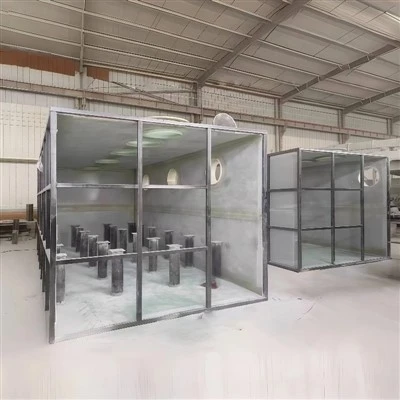
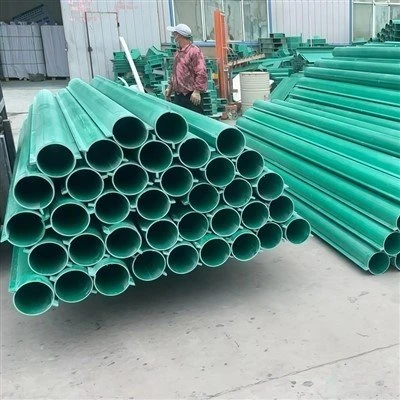
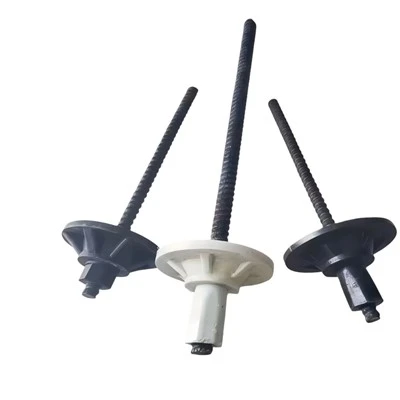
FRP molds are typically manufactured using Fiberglass Reinforced Plastic (also known as FRP). FRP is a composite material composed of glass fibers and resin, characterized by its excellent mechanical properties and corrosion resistance. The following provides detailed information regarding the materials used in FRP molds:
Glass Fibers: One of the primary constituents of FRP molds is glass fiber. Glass fiber is a high-strength, lightweight material that possesses exceptional tensile strength. In mold manufacturing, it serves to reinforce the structure, thereby enhancing its strength and rigidity.
Resin: The resins utilized in FRP molds are typically epoxy resins or unsaturated polyester resins. During the curing process, these resins undergo a chemical reaction with the glass fibers to form a robust composite structure.
Corrosion Resistance: Due to their outstanding resistance to corrosion, FRP molds are widely employed in specialized environments. They are capable of withstanding chemical corrosion, thereby enabling the molds to maintain their structural stability over extended periods of use.
Lightweight Design: FRP is inherently lightweight; consequently, the molds produced from this material are relatively light and easy to handle and utilize.
Wear Resistance: FRP molds generally exhibit good resistance to wear, allowing them to withstand a certain degree of abrasion without compromising their performance.