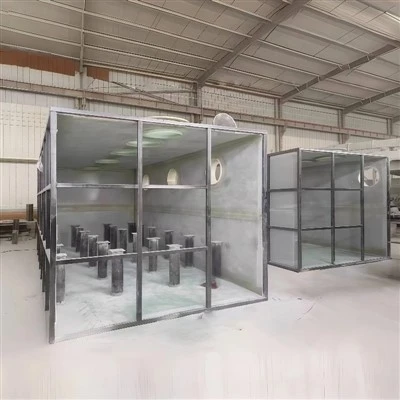
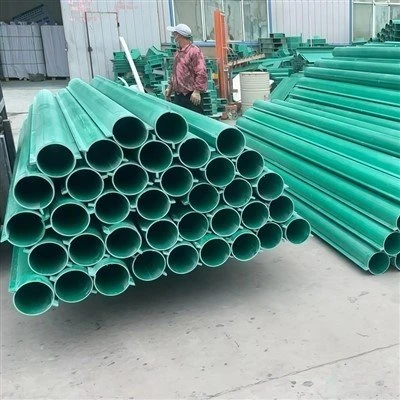
FRP (Fiber-Reinforced Polymer) molds are primarily categorized into three types: manual molding, mechanical molding, and infusion molding. Each type possesses distinct characteristics and is suited to different production requirements.
As a critical tooling component, FRP molds play a pivotal role in the manufacturing industry. So, exactly how are FRP molds classified? In the following sections, we will break down each category for you.
Manual Molding Molds
Manual molding molds represent the most fundamental type of FRP mold. The fabrication of these molds relies primarily on manual labor, offering the advantages of high flexibility and low cost. Due to their relatively simple production process, manual molding molds are well-suited for small-batch and customized production needs. However, their relative lack of precision and stability may render them unsuitable for manufacturing products that demand high dimensional accuracy.
Mechanical Molding Molds
Mechanical molding molds are a category of molds produced using mechanical equipment. These molds boast the advantages of high precision and high efficiency, enabling them to meet the demands of large-scale, standardized production. While the manufacturing process for mechanical molding molds is relatively complex, they offer superior stability and durability, making them suitable for long-term use. Furthermore, mechanical molding molds can be integrated with automated equipment to facilitate mass production, thereby further enhancing manufacturing efficiency.
Infusion Molding Molds
Infusion molding molds constitute a specialized category of FRP molds. These molds utilize an infusion molding process, wherein materials-such as resin and glass fibers-are injected into the mold cavity and subsequently cured to form the final product. Infusion molding molds are characterized by high product quality and high production efficiency, making them particularly well-suited for the manufacture of large-scale or structurally complex FRP products. However, their production costs are relatively high; consequently, they are typically employed in high-end markets or production scenarios involving specialized requirements.
In summary, FRP molds are primarily classified into three types: manual molding, mechanical molding, and infusion molding. Each type possesses unique characteristics and application scenarios, allowing users to select the most appropriate mold based on their specific production requirements and product attributes. When selecting a mold, it is also essential to consider factors such as precision, stability, and durability to ensure both product quality and enhanced production efficiency.
Driven by continuous technological advancements, the manufacturing processes and performance capabilities of FRP molds are constantly evolving. Looking ahead, we can anticipate the emergence of even more efficient and precise FRP molds, providing robust support for the continued growth and development of the manufacturing industry. At the same time, with the growing awareness of environmental protection, green and eco-friendly fiberglass molds will also emerge as a future development trend, contributing to sustainable development.