Unveiling the True Nature of FRP Molds
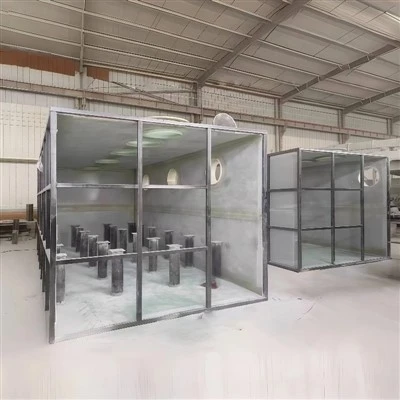
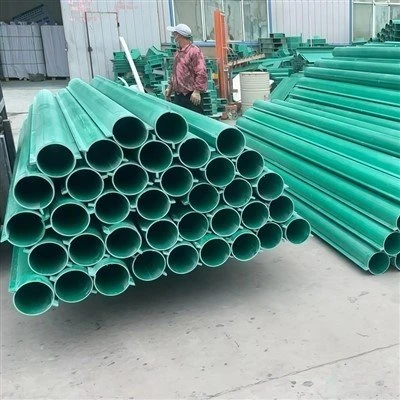
When hearing the name "FRP" (Fiber Reinforced Polymer), many people might conjure up images of fragile glass or hard steel. In reality, however, FRP is neither glass nor steel; it is a composite material! It is formed by combining resin and glass fibers through a specialized process-much like fitting the resin with a "suit of armor" made of glass fibers-thereby retaining the lightweight nature of the resin while gaining the strength of the glass fibers. Consequently, molds made from this material are, naturally, not metal molds!
A "Hardcore" Comparison with Metal Materials
Metal materials-such as steel and aluminum alloys-are renowned for their high strength and excellent thermal conductivity; yet, FRP molds possess their own unique set of "specialized skills." First, FRP molds are lightweight, making them significantly easier to handle and install. Second, they boast strong corrosion resistance, remaining largely undamaged even after prolonged exposure to chemicals such as acids and alkalis. Furthermore, FRP molds offer high molding precision and smooth surface finishes, enabling the production of products rich in intricate detail. Of course, the stability of metal materials in high-temperature environments remains a benchmark that FRP struggles to match; however, each material possesses its own distinct merits!
The "Battlegrounds" Where FRP Molds Excel
Although FRP molds are not classified as metal materials, their fields of application are remarkably extensive. From molds for automotive body components to molds for lightweight structural parts in aerospace; from molds for artistic sculptures in architectural decoration to molds for plastic products used in daily life-FRP molds play a pivotal role across various sectors, leveraging their unique performance advantages. They act as true "all-rounders," capable of meeting the demands of high-precision manufacturing while simultaneously adapting to complex and ever-changing operational environments.