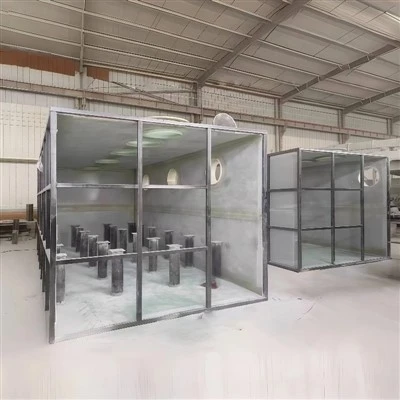
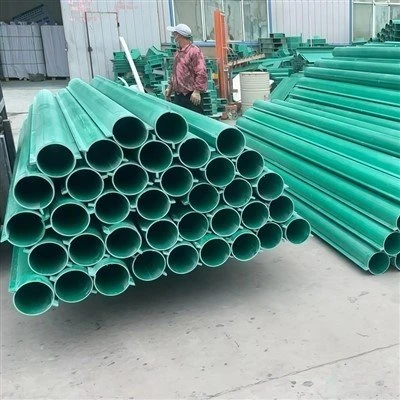
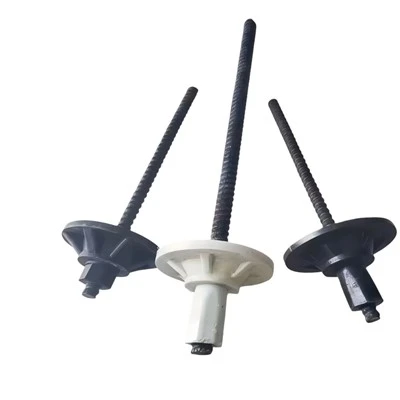
Fiber Reinforced Plastics (FRP) are not "steel" in the traditional sense; rather, they are composite materials consisting of a resin matrix reinforced by glass fibers. Their core advantages stem from the inherent physicochemical properties of the material itself:
1. Lightweight and High Strength: FRP possesses a density that is merely one-quarter to one-fifth that of steel, yet its tensile strength can exceed twice that of ordinary steel. This characteristic allows FRP molds-when used for forming large-scale components-to simultaneously ensure structural integrity while significantly reducing equipment weight and lowering energy consumption.
2. Corrosion Resistance: The resin matrix exhibits inherent resistance to chemical substances such as acids, alkalis, and salts, making it particularly well-suited for corrosive environments found in industries like chemical manufacturing and marine engineering. For instance, a specialized FRP mold manufacturer produced custom blade molds for a coastal wind power project; these molds maintained stable performance even after five years of continuous use in a salt-spray environment.
3. Design Freedom: FRP can be molded into virtually any complex shape, and its surface finish can be refined to achieve a mirror-like luster. This attribute is particularly advantageous in fields such as automotive exterior components and artistic sculpture. A renowned automotive brand once commissioned an FRP mold manufacturer to develop a mold for a streamlined vehicle roof; the resulting mold achieved a surface curvature precision tolerance of less than ±0.1 mm-far exceeding the industry average.
4. Tunable Thermal Properties: By selecting specific types of resins (such as epoxy or phenolic resins) and incorporating various additives, the operational temperature range of FRP molds can be extended from -50°C to 200°C, thereby satisfying a diverse spectrum of requirements ranging from extreme cold to high-temperature applications.